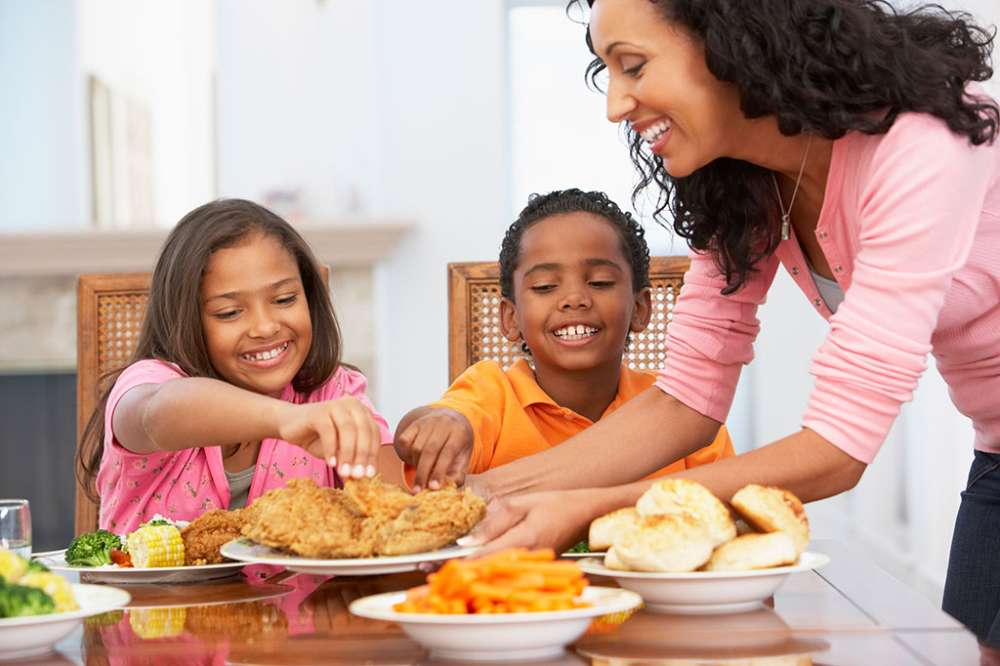
The holiday season is magical in so many ways. Yet all the excitement, time with family, and indulgent treats can be overwhelming to kids, especially when you’re gathered at the table for a special feast.
Special celebrations are thrilling and fun for your child, but they can also often disrupt his normal routine. Missed naps, hungry tummies, crowded houses and new foods can all contribute to temper tantrums for little ones.
Try These Tips to Encourage Good Behavior
1. Make events less surprising. Explain the day’s schedule and what is expected behavior-wise ahead of time. Young children are happiest when they have routines and familiar schedules to follow. Holiday get-togethers may disrupt the regular routine, but if you provide a heads-up for what to expect in advance, it will help preschoolers anticipate what is going to happen next and what will be expected of them.
2. Practice mealtime manners ahead of time. Don't save good manners for when you're with company. Practice polite mealtime behavior as often as you can at home so it feels more natural to your child.
MORE: 9 Books to Teach an Attitude of Gratitude
3. Get your child involved in planning. Give your little one a stake in making the meal a success — invite your child to help plan, decorate, and make decisions about the celebration. If you involve him with the setup of a big family event, he’ll feel like an integral part of the holiday meal and be more apt to show off his good manners. After all, he won’t want to disturb something he worked hard to help make nice. Older kids can even help choose and prepare recipes — check out our Kids Cooking book for ideas!
4. Keep it familiar. Bring along your child’s special stuffed animal to relax with if he gets overstimulated. Have a favorite food available (peanut butter crackers, yogurt) to substitute for rich holiday foods that might make him fussy. (And speaking of fussy, check out these 8 books to entice picky eaters!)
5. Prepare ahead with photos. Before the holiday, look at family photos so that distant relatives’ faces will be familiar and your child won’t feel intimidated talking with them at dinner.
6. Role play together. Ahead of time, set the table with a light snack. Together, practice holiday dinner manners by using conversational tones and polite words.
7. Develop a signal. Rather than nag your child to stop moving his food with his fingers, arrange for a sign ahead of time (two raised fingers). Likewise, if he needs your help, he can give you the signal to rescue him.